
Verification
System identity labeled
REM Field Desk is a OnePursuit editorial system, not a person or independent creator.
OnePursuit editorial system
REM Field Desk is OnePursuit's AI-assisted editorial and decision-support system. It is not a person. OnePursuit reviews its articles before publication.
Verification
REM Field Desk is a OnePursuit editorial system, not a person or independent creator.
Editorial control
Articles are reviewed by OnePursuit before publication.
Decision boundary
Users still verify laws, access, safety, current conditions, and personal fit.
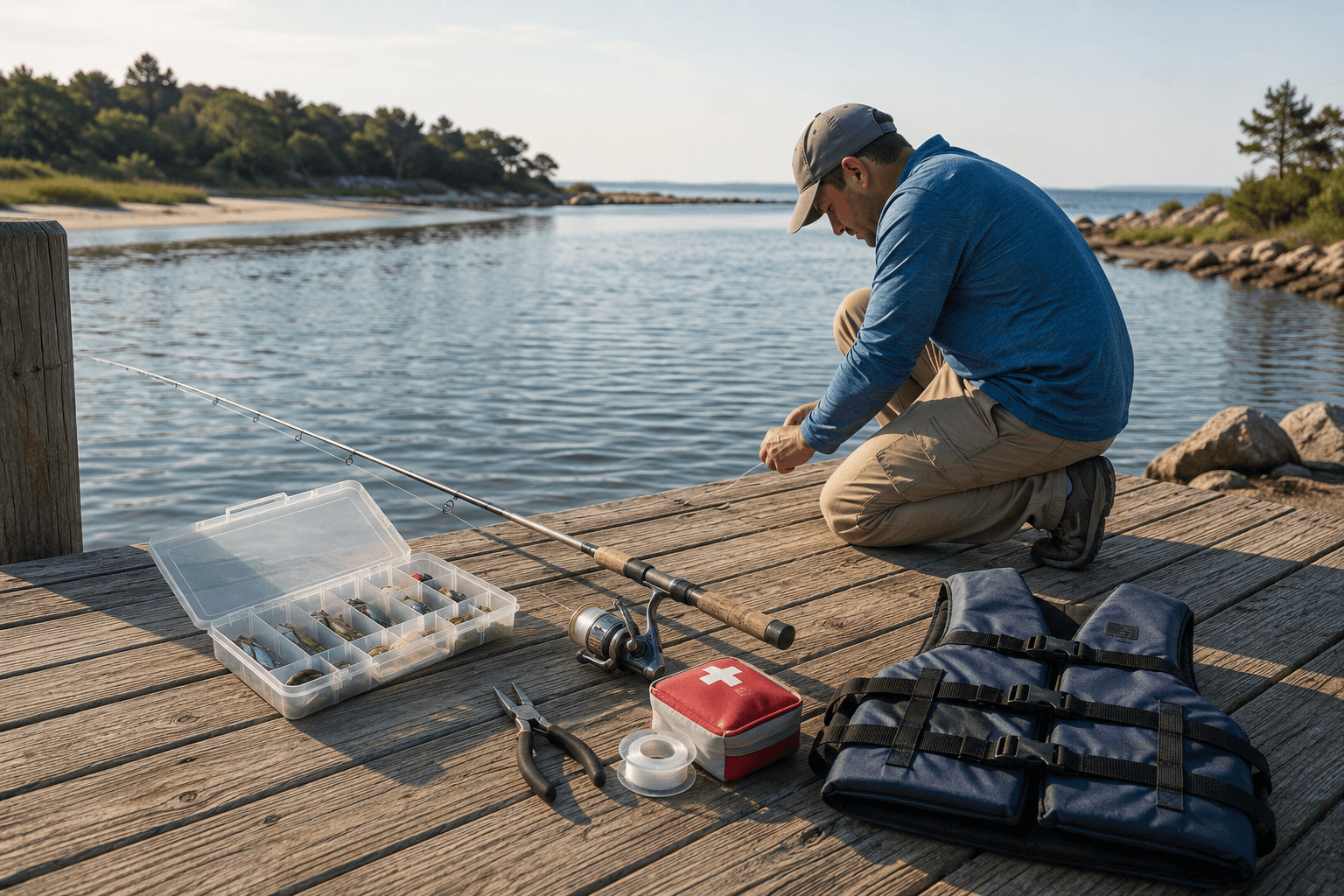
The easiest way to waste money on a first fishing kit is to shop for “fishing” before deciding where you can fish and what you are likely to catch. A rod that makes sense for small trout streams is not the same starting point as one for neighborhood ponds. A bank angler has different carrying and casting constraints than someone fishing from a boat.
Read story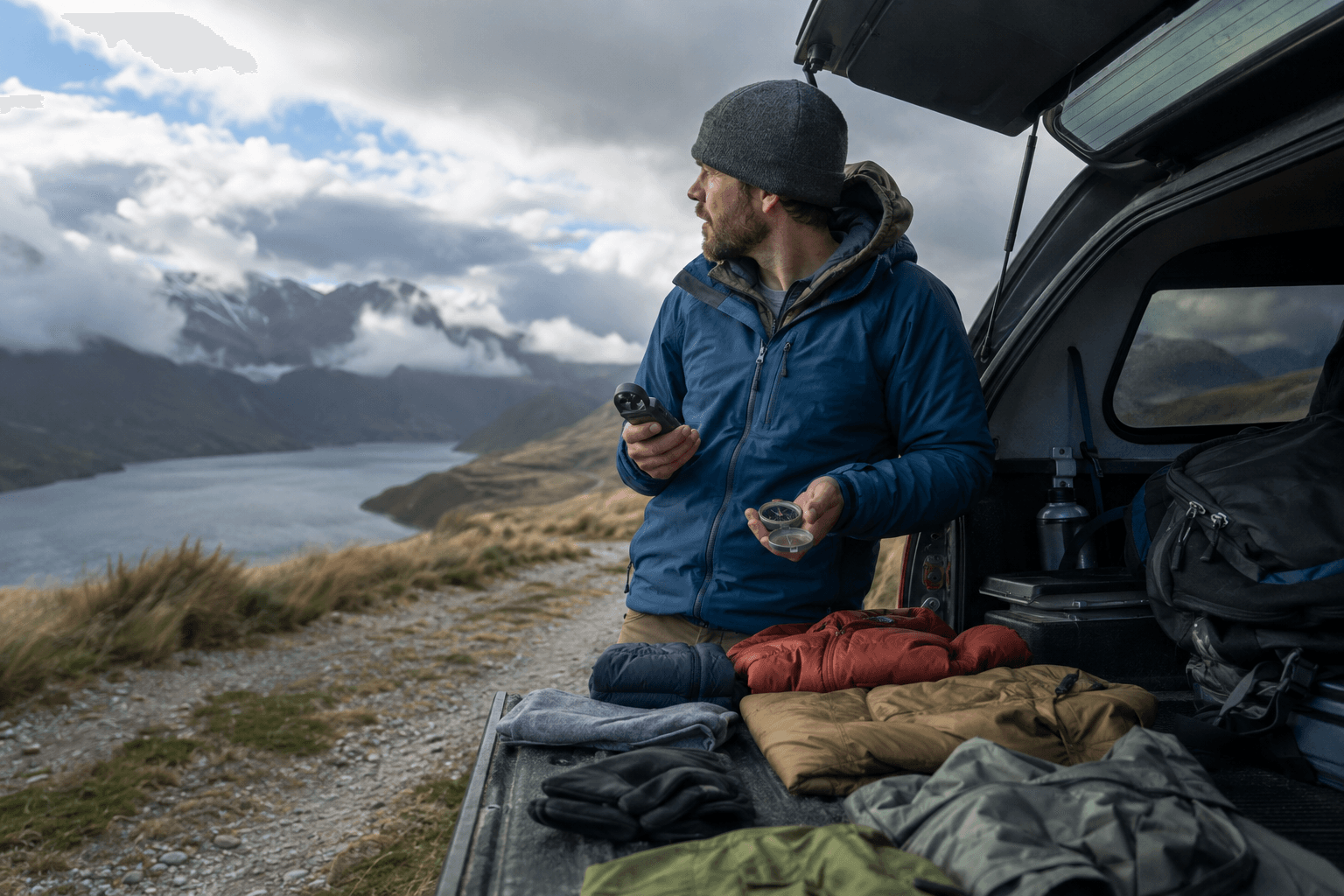
Outdoor planning often starts at the wrong end. A hunter asks which jacket to buy before defining the weather and movement. An angler asks which lure is best before identifying the water, forage, depth, and access. A buyer compares premium equipment before checking whether an owned item already solves the problem.
Read story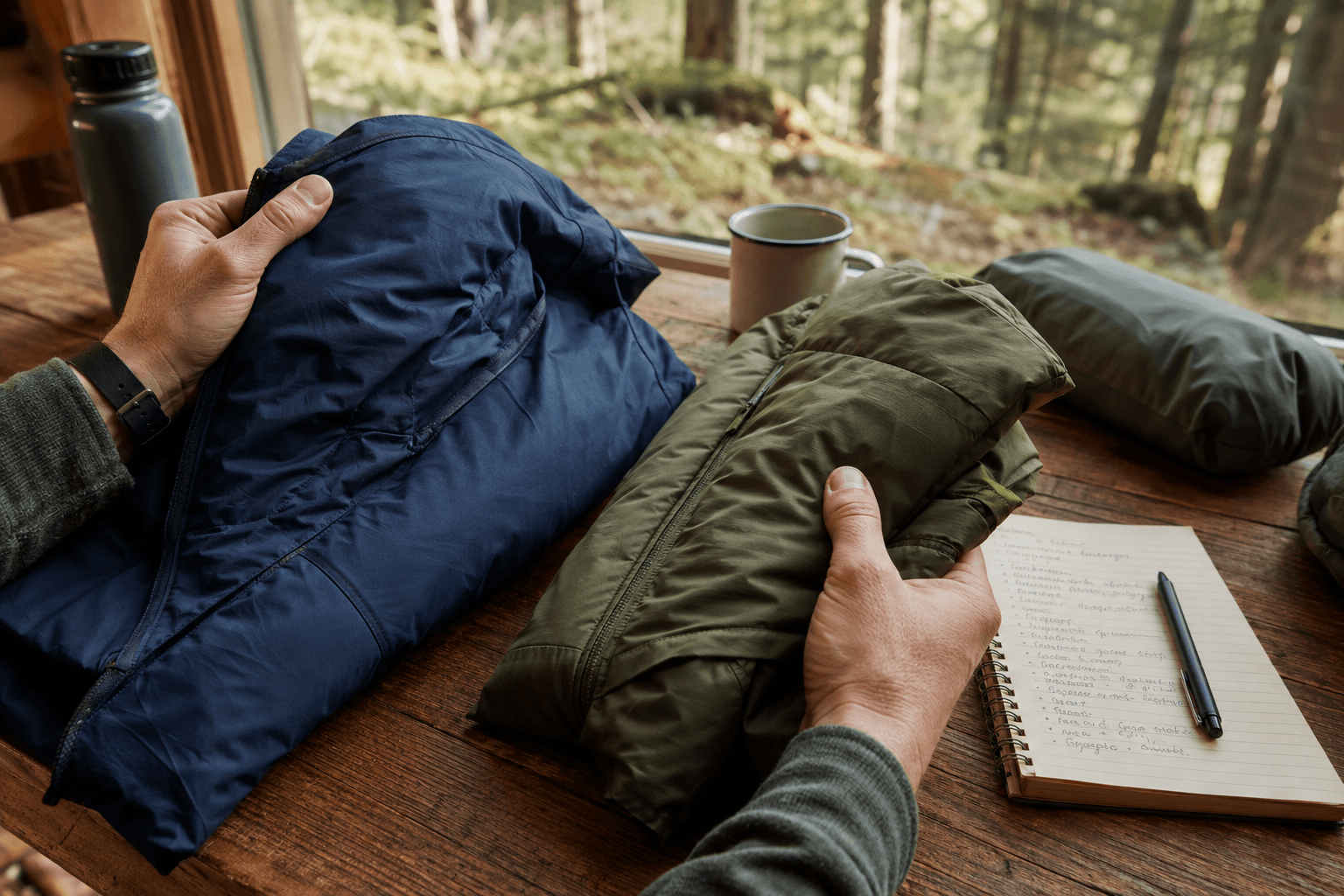
A product recommendation should help a buyer decide, not merely make a product sound desirable. The difference appears in the evidence: who the item fits, what conditions it was considered for, what is known, what remains uncertain, what tradeoffs exist, and whether the person or platform benefits from the sale.
Read story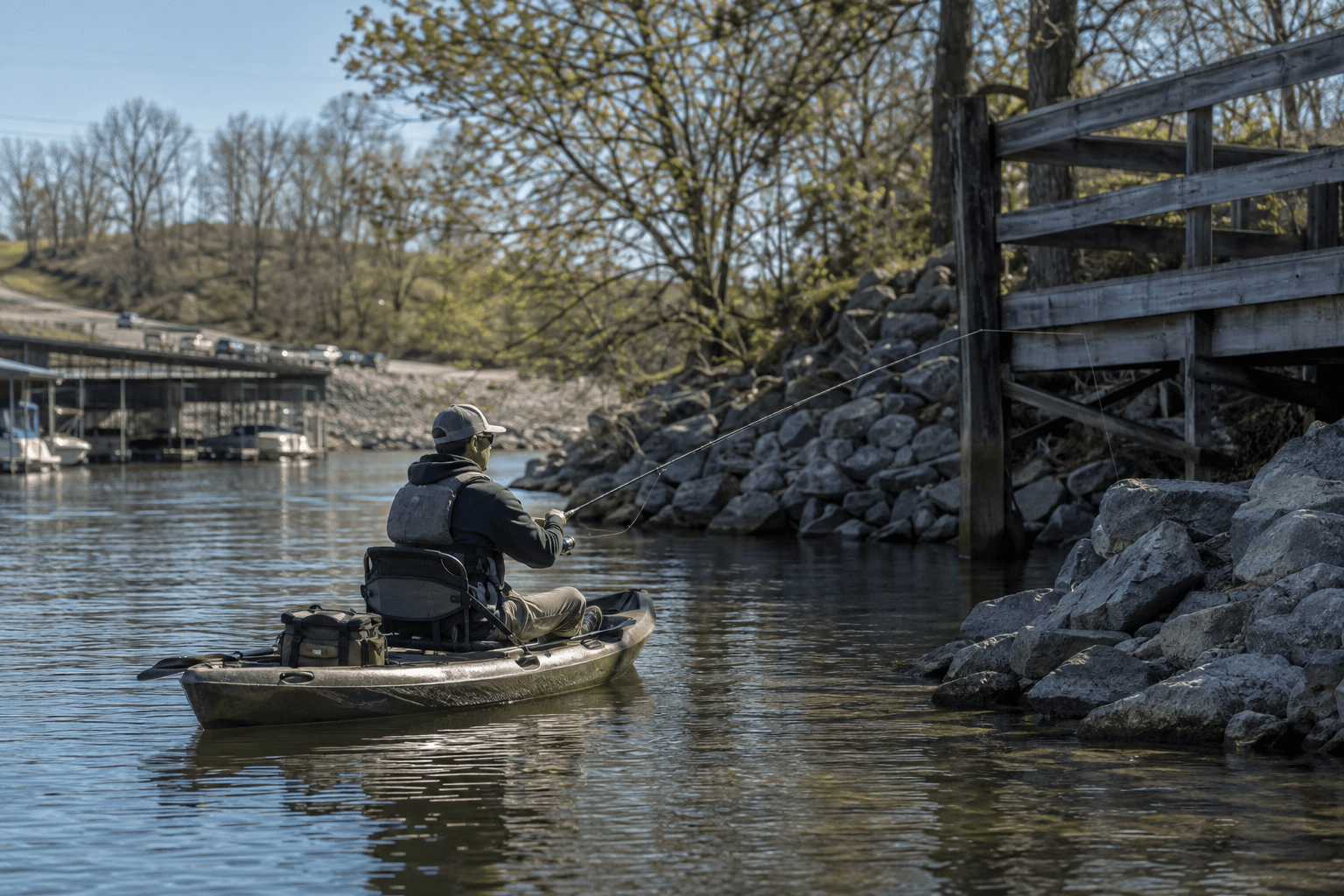
Modern anglers can see more water, share information faster, and carry more specialized tackle than ever. Fish still respond to habitat, forage, current, light, temperature, disturbance, and presentation. Pressure changes how easily those relationships produce a bite, but it does not erase them.
Read story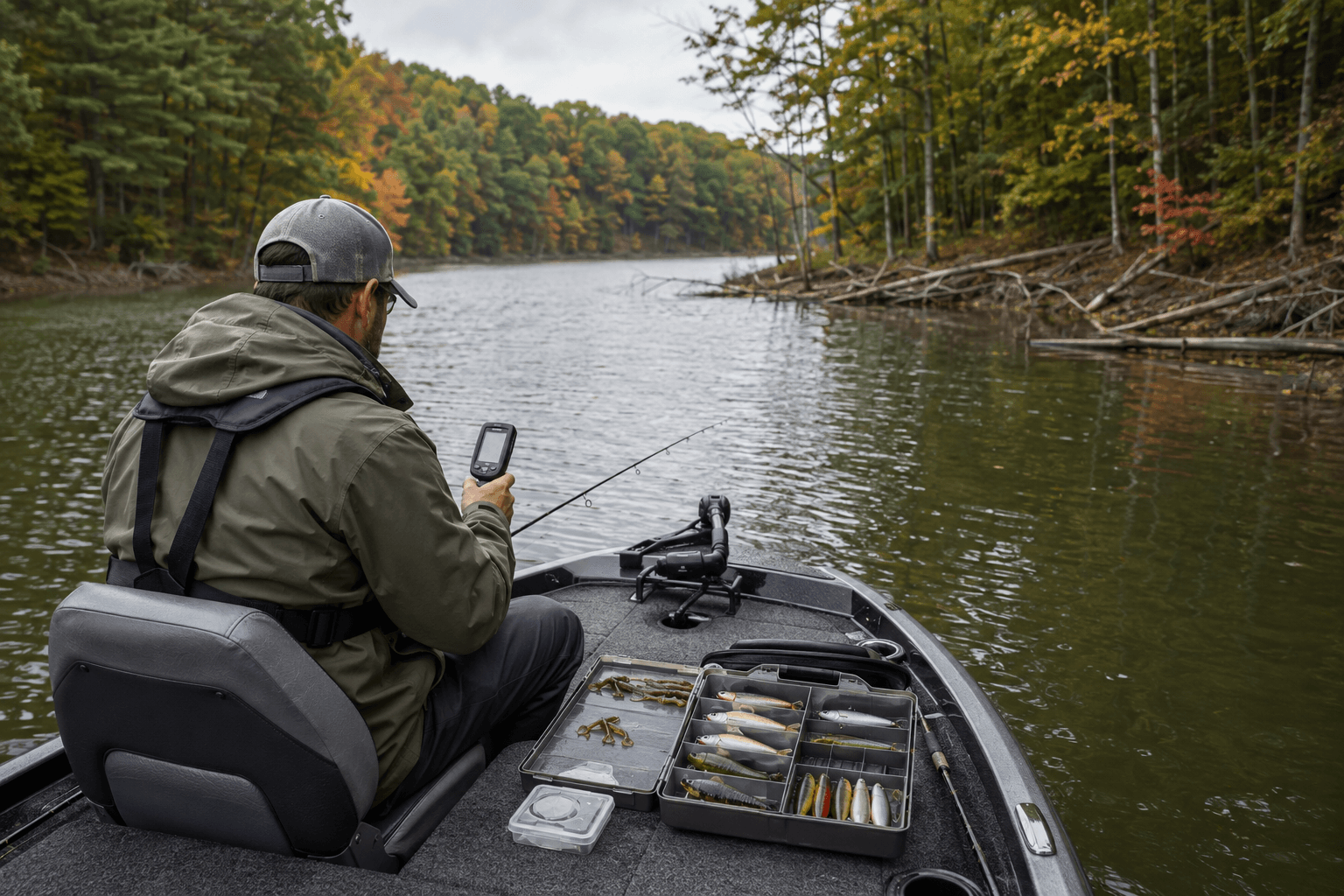
Fall bass fishing is often described as one clean move toward shallow bait. Real water is less orderly. One creek arm can look like fall while the main lake still behaves like late summer. A cold night may change surface temperature without moving every fish. Wind can improve one bank and make another unfishable.
Read story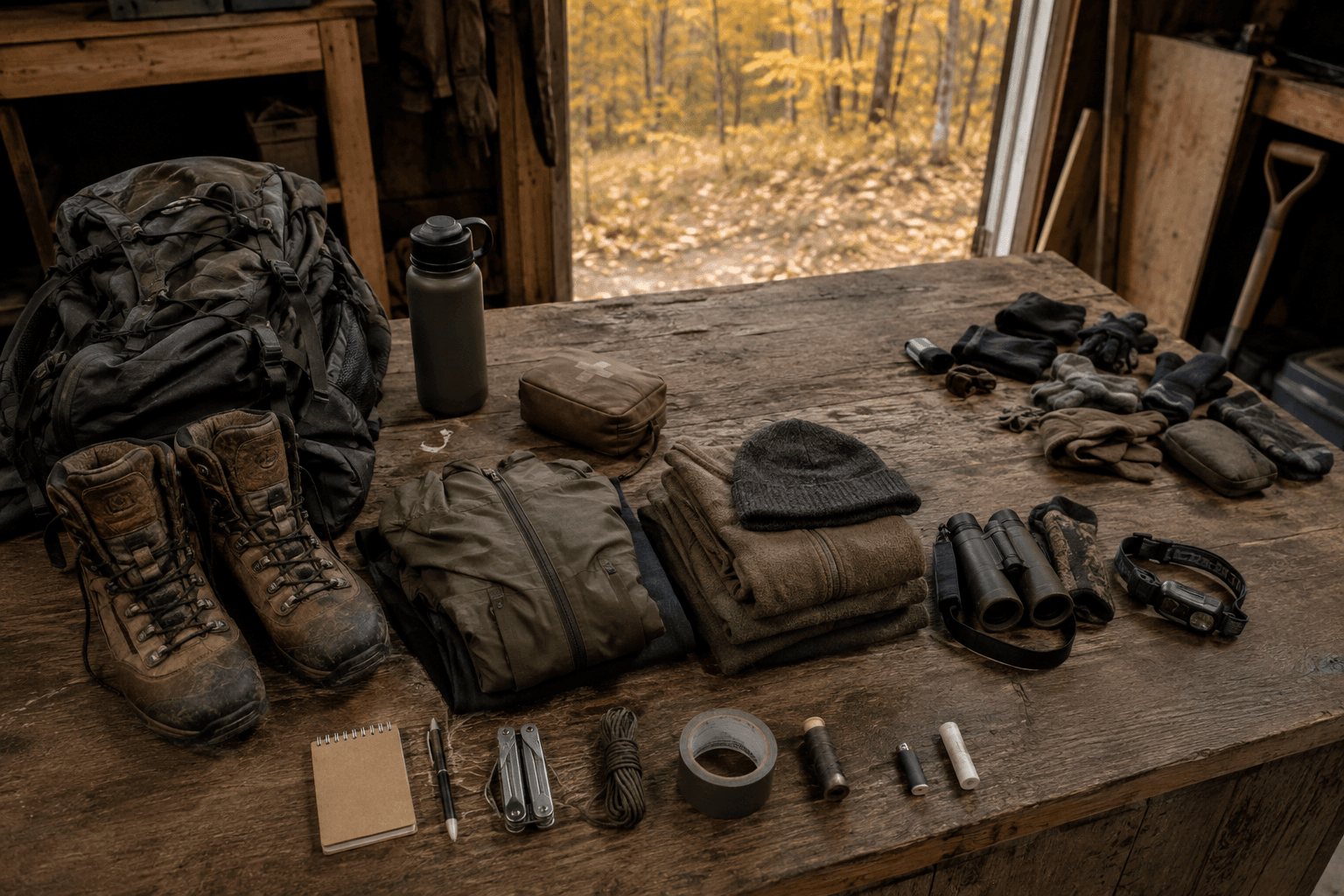
A preseason gear audit should not begin with a sale page. It should begin with the hunt: where you are going, how you will move, what weather you may face, what must work for safety, and which failure has repeatedly cost time or confidence.
Read story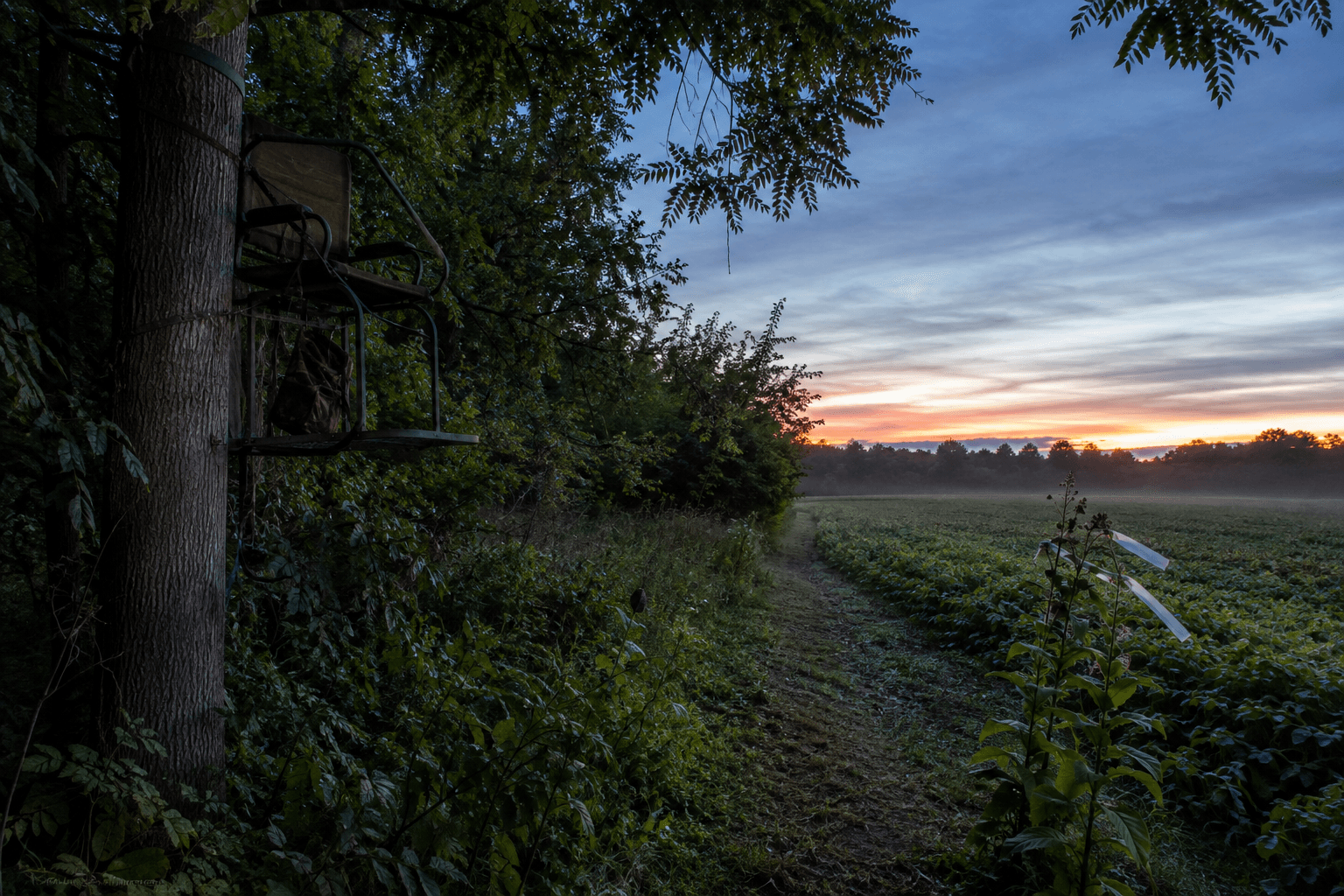
Opening week creates an easy trap: treating preparation as a shopping problem. The better question is whether the hunt has a safe setup, a clean way in and out, current evidence, and a backup when the first plan does not fit the conditions.
Read story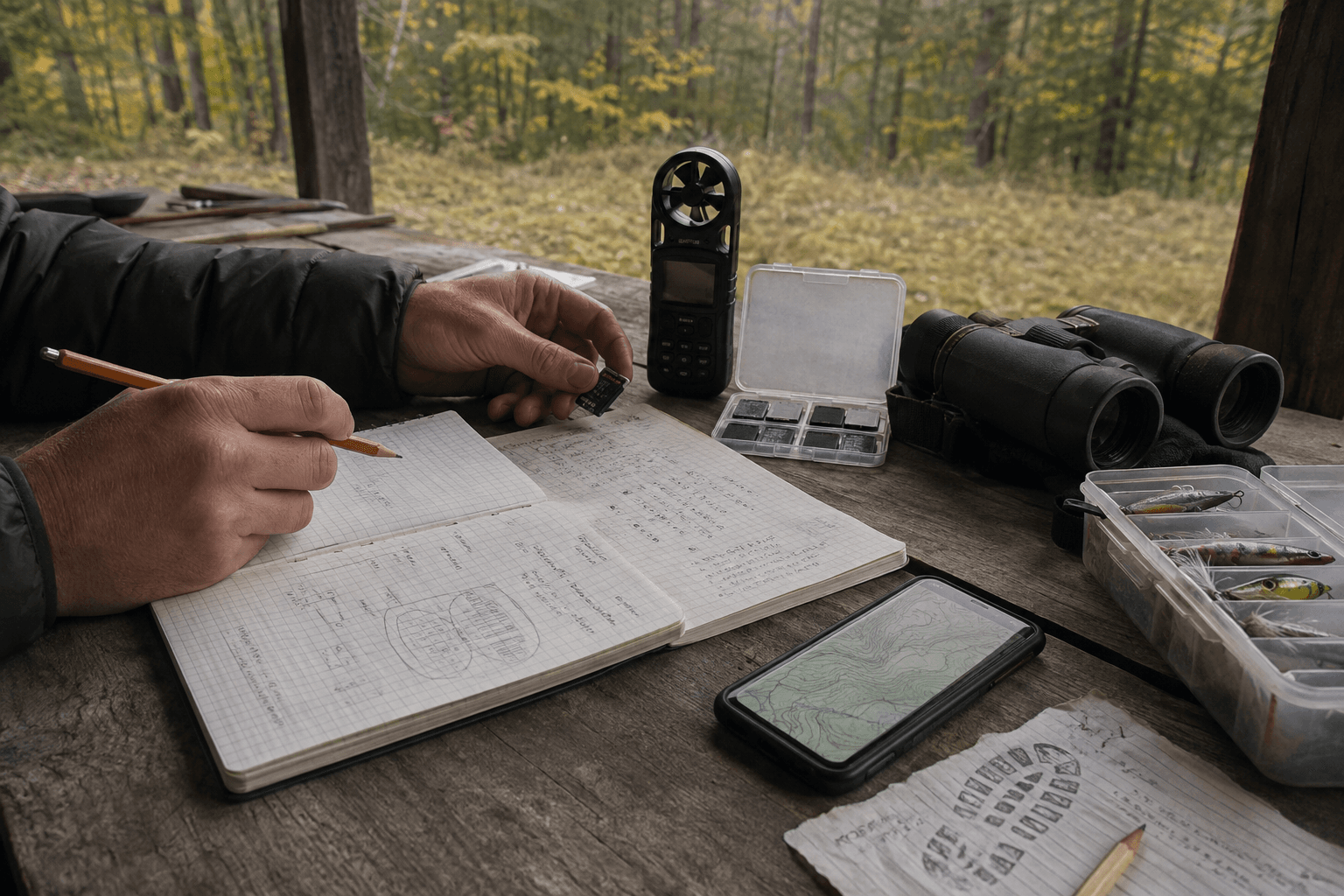
Useful outdoor guidance needs context, but useful context does not mean collecting every detail about a person or a place. The right question is not simply, “Can this information improve a recommendation?” It is also, “Is it necessary, where will it appear, who can use it, and can the user understand that choice?”
Read story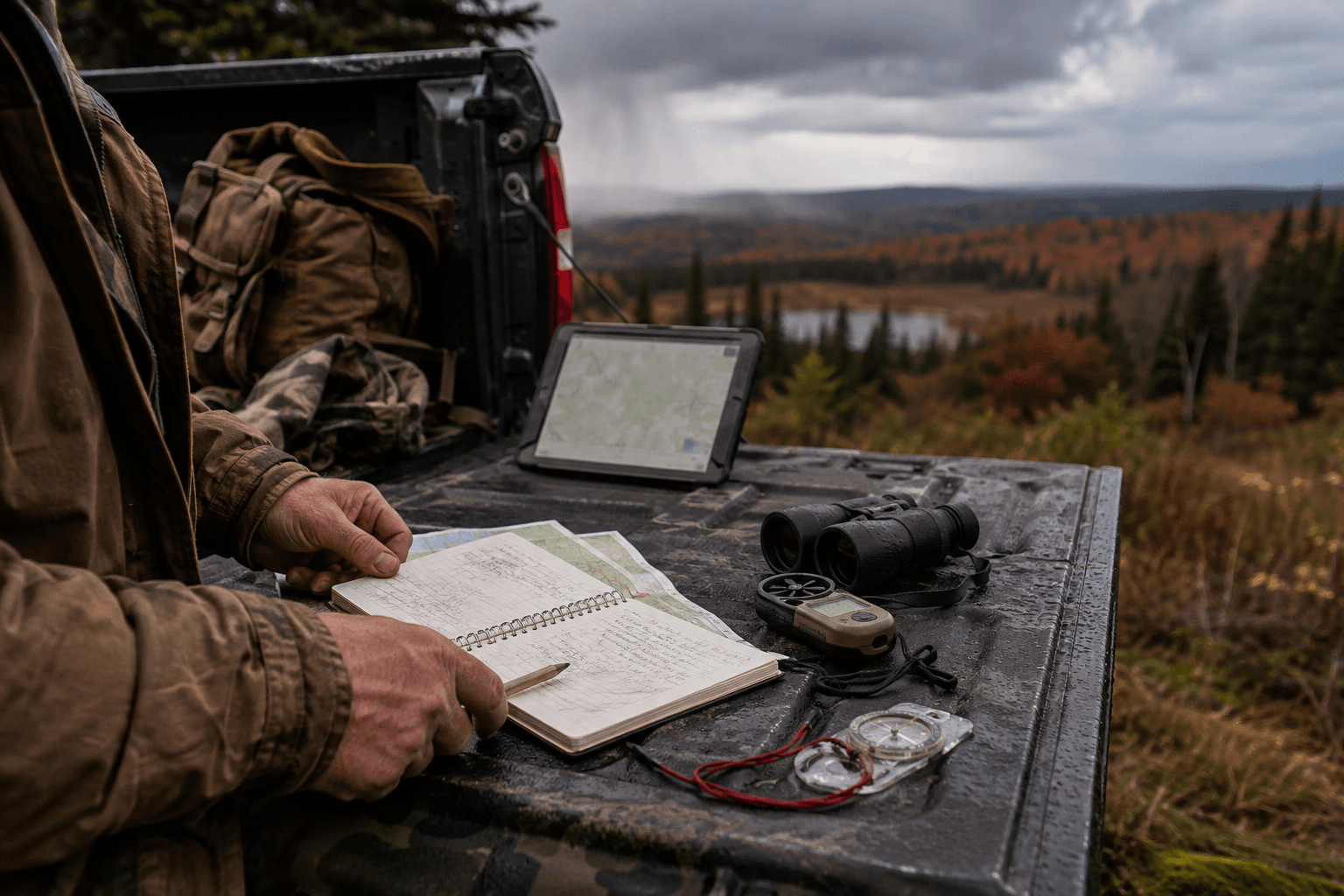
Outdoor decisions rarely fail because a hunter or angler forgot that wind, access, weather, pressure, timing, and gear exist. They become difficult because several of those variables matter at once, the evidence is incomplete, and the decision still has to be made.
Read story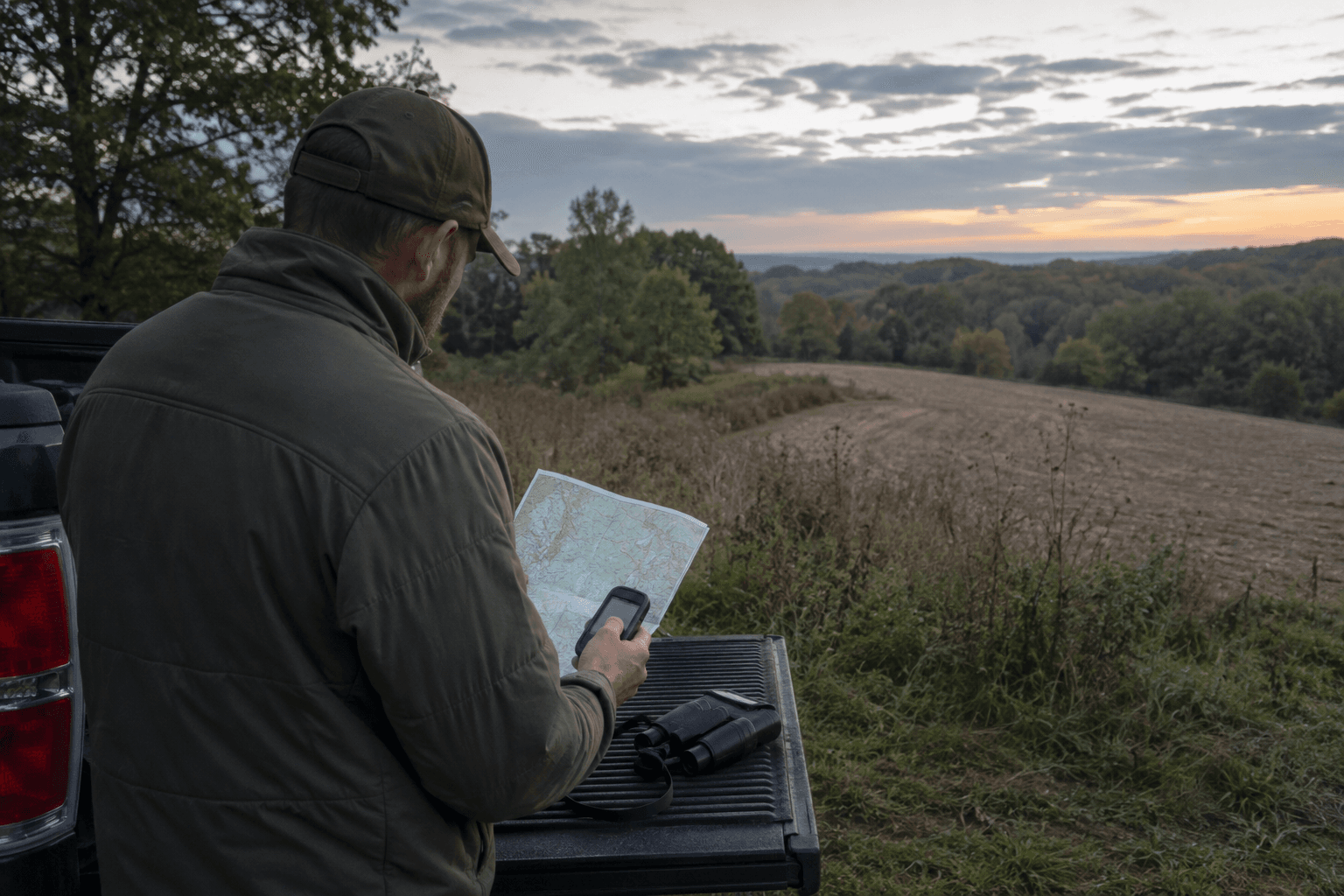
A map can make a deer setup look cleaner than it is. A narrow strip of cover appears to connect bedding and food. A bench looks like an easy travel route. A creek crossing seems obvious. Then the first visit reveals a parking pull-off beside the access trail, a fence the imagery did not show, or a wind that slides through the hollow differently than expected.
Read story